

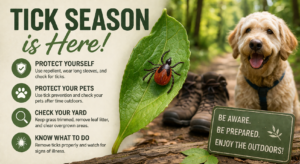
Tick Season: What Homeowners Need to Know
As the weather warms up across Maryland, Northern Virginia, and the DC metro area, more people are spending time outside gardening, walking the dog, hiking, and enjoying their yards. Unfortunately, spring and summer also bring something less welcome: ticks.
At Titan Tree Care, we spend a lot of time outdoors and know firsthand how important it is to stay aware during tick season. The good news? With a few simple precautions, you can protect yourself, your family, and your pets while still enjoying your outdoor spaces.
Why Tick Awareness Matters
Ticks are common throughout the DMV, especially in wooded neighborhoods, parks, trails, and even residential yards. The most common species in our region include:
1. Blacklegged Tick (Deer Tick)
This is the tick most associated with Lyme disease. It thrives in wooded areas, leaf litter, shaded mulch beds, and dense plantings. These ticks can be tiny, sometimes as small as a poppy seed.
2. Lone Star Tick
Recognizable by the white dot on the female’s back, Lone Star ticks are aggressive biters and commonly found in brushy areas and thick undergrowth. They can spread illnesses like ehrlichiosis and have also been linked to alpha-gal syndrome, a red meat allergy in some people.
3. American Dog Tick
Often found in tall grass, field edges, and more open sunny areas, dog ticks can affect both people and pets. They may carry Rocky Mountain spotted fever and other illnesses.
Where Ticks Commonly Hide
Many people think ticks are only a problem deep in the woods, but they’re often found much closer to home.
Common tick hiding spots include:
- Tall grass and overgrown lawn edges
- Leaf piles and brush
- Wooded trails and tree lines
- Mulch beds and groundcover
- Around stone walls and wood piles
- Dense shrubs and low branches
- Under evergreen trees and bushes where shade and moisture collect
Evergreens and dense landscape beds can create the cool, damp conditions ticks love. That’s why regular pruning, cleanup, and property maintenance can make a real difference.
How to Protect Yourself Outdoors
Tick prevention doesn’t have to be complicated. A few smart habits go a long way:
Before Heading Outside:
- Wear long sleeves and pants if you’re working in brushy or wooded areas
- Tuck pants into socks when doing yard work
- Wear light-colored clothing so ticks are easier to spot
- Use an EPA-approved repellent with DEET or picaridin
- Treat outdoor clothing and shoes with permethrin (never directly on skin)
After Being Outside:
- Check your clothes and body carefully
- Pay close attention to ankles, behind knees, waistbands, scalp, behind ears, and under arms
- Shower soon after being outdoors
- Wash clothes and dry on high heat
Don’t Forget Your Furry Friends
Dogs can pick up ticks in the yard, on walks, or while exploring wooded areas.
To help protect pets:
- Use vet-recommended tick prevention products
- Check their ears, paws, collar area, belly, and tail after time outside
- Keep grass trimmed and brush cleared
- Avoid letting pets roam in dense brush or leaf litter
Ticks can hitch a ride inside on pets, which increases the chance of bites indoors too.
What to Do If You Find a Tick
If you find a tick attached:
- Use fine-tipped tweezers or a tick removal tool
- Grab the tick as close to the skin as possible
- Pull straight out slowly and steadily
- Clean the bite area with soap and water or rubbing alcohol
- Wash your hands
Avoid:
- Twisting the tick
- Crushing it with your fingers
- Using petroleum jelly, nail polish, or heat
The sooner a tick is removed, the lower the chance of disease transmission. Some infections, like Lyme disease, often require the tick to be attached for a day or more before spreading.
A Quick Note on Tick-Borne Diseases
Most tick bites do not lead to illness, but it’s still important to be aware.
Tick-borne diseases in our area can include:
- Lyme disease
- Rocky Mountain spotted fever
- Ehrlichiosis
- Anaplasmosis
Watch for:
- Fever
- Rash
- Fatigue
- Joint pain
- Flu-like symptoms
If symptoms appear after a tick bite, contact your healthcare provider.
Healthy Landscapes Help Reduce Tick Risk
A well-maintained yard can help reduce tick habitat:
- Keep grass mowed
- Remove leaf litter
- Trim low branches and overgrown shrubs
- Improve sunlight and airflow in dense areas
- Clear brush around tree lines and fence rows
At Titan Tree Care, we help homeowners across Maryland, Northern Virginia, and the DC metro area create healthier, safer outdoor spaces. Proper pruning and landscape maintenance can make your property more enjoyable all season long.
Need help clearing overgrown areas or improving your landscape’s safety? Contact Titan Tree Care today.
Get a Quote
Looking for expert tree care? Fill out the form below and we’ll be in touch!