

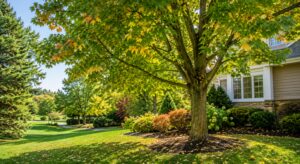
Prepare Your Trees for Fall: 5 Things to Do Before the Leaves Change
As summer begins to wind down and school starts back, many homeowners are focused on getting their yards ready for the season. Fall is an important time to pay attention to the health and safety of your trees.
After months of summer heat, storms, and insects, your trees may be showing signs of stress that aren’t always easy to spot. Taking a little time now to inspect and care for your trees can help prevent bigger problems once winter arrives.
Here are six things homeowners in Virginia, Maryland, and the Washington, DC area should consider doing before fall is in full swing.
1. Inspect Your Trees for Summer Stress
Summer can be tough on trees. High temperatures, periods of drought, severe storms, insects, and disease can all take a toll.
Take a walk around your property and look closely at your trees. Watch for:
- Dead or dying branches
- Thinning or unusual foliage
- Cracked or broken limbs
- Discolored leaves
- Peeling or damaged bark
- Mushrooms or fungal growth
- Signs of insect activity
- Branches that appear weak or unusually heavy
Some problems may be obvious, while others may require a closer inspection from a trained professional. Identifying tree health issues early can make them easier to manage.
2. Schedule Necessary Tree Pruning
Fall is a good time to evaluate your trees and determine whether pruning is needed. Dead, damaged, or structurally compromised branches can become particularly hazardous when exposed to winter winds, ice, and snow. Branches growing toward your home, driveway, vehicles, or other structures deserve special attention.
Proper pruning isn’t simply about making a tree look better. Strategic pruning can help address structural problems, remove hazardous limbs, and support the long-term health of the tree.
3. Check for Weak or Hazardous Branches
Not every hazardous branch is dead. Branches with weak attachments, cracks, or excessive weight can become problems during severe weather. Summer storms may also leave behind broken or partially damaged limbs that aren’t immediately noticeable from the ground.
Pay particular attention to trees located near:
- Homes and buildings
- Driveways and parking areas
- Walkways
- Play areas
- Power lines
- Frequently used outdoor spaces
A professional tree assessment can help identify structural concerns that may not be obvious to the untrained eye.
4. Make Sure Your Trees Have Enough Water
Just because temperatures begin to cool doesn’t mean trees immediately stop needing water. Newly planted trees are especially vulnerable and may require regular watering to establish healthy root systems. When watering established trees, focus on thoroughly soaking the root zone rather than giving the tree a quick, shallow watering.
As fall progresses, continue paying attention to weather conditions. A dry autumn can still put stress on trees before winter dormancy.
5. Watch for Pests and Disease
Tree health problems don’t necessarily disappear when summer ends. Fall is a good time to look for lingering signs of insects, fungal diseases, or other problems that developed during the growing season. Some issues may become more noticeable as foliage begins to change.
If you notice unusual leaf loss, premature color changes, spots, cankers, dieback, insect activity, or other abnormalities, don’t automatically assume it’s simply part of the changing season.
What Not to Do This Fall
Fall tree care doesn’t mean every tree needs to be heavily pruned or treated.
Avoid removing large branches yourself, especially when working near structures or power lines. Don’t assume every yellowing or changing leaf indicates disease, and don’t apply fertilizers or treatments without first determining whether they’re actually needed.
When you’re unsure about a tree’s condition, an evaluation by a qualified tree care professional is often the safest place to start.
Give Your Trees a Fall Checkup
Your trees have worked hard all summer. Before the leaves begin to change and winter weather arrives, take a few minutes to look them over.
If you’re concerned about a tree on your property, Titan Tree Care can help evaluate its condition and recommend the appropriate next steps. From pruning and tree health care to cabling and bracing, tree removal, and other professional services, our goal is to help keep your trees healthy, safe, and beautiful throughout every season.
Don’t wait for the first winter storm to discover a problem. Give your trees a checkup this fall.
Get a Quote
Looking for expert tree care? Fill out the form below and we’ll be in touch!